
thisissoftware

About us

This is who we are.And this is how we work.

A boutique software consultancy. Senior teams, real partnerships, long horizons.

How we work

Senior by default

Every engineer has 5+ years of production experience. No juniors on your project.

AI as baseline tooling

We use AI to ship faster, but we don't sell AI features clients don't need.

Owned, not delivered

Most our engagements run 2+ years. Built for "still here in 3 years", not "ship and disappear".

Honest about fit

1 in 3 opportunities, we recommend the client doesn't hire us. Saying "not yet" is part of the work.

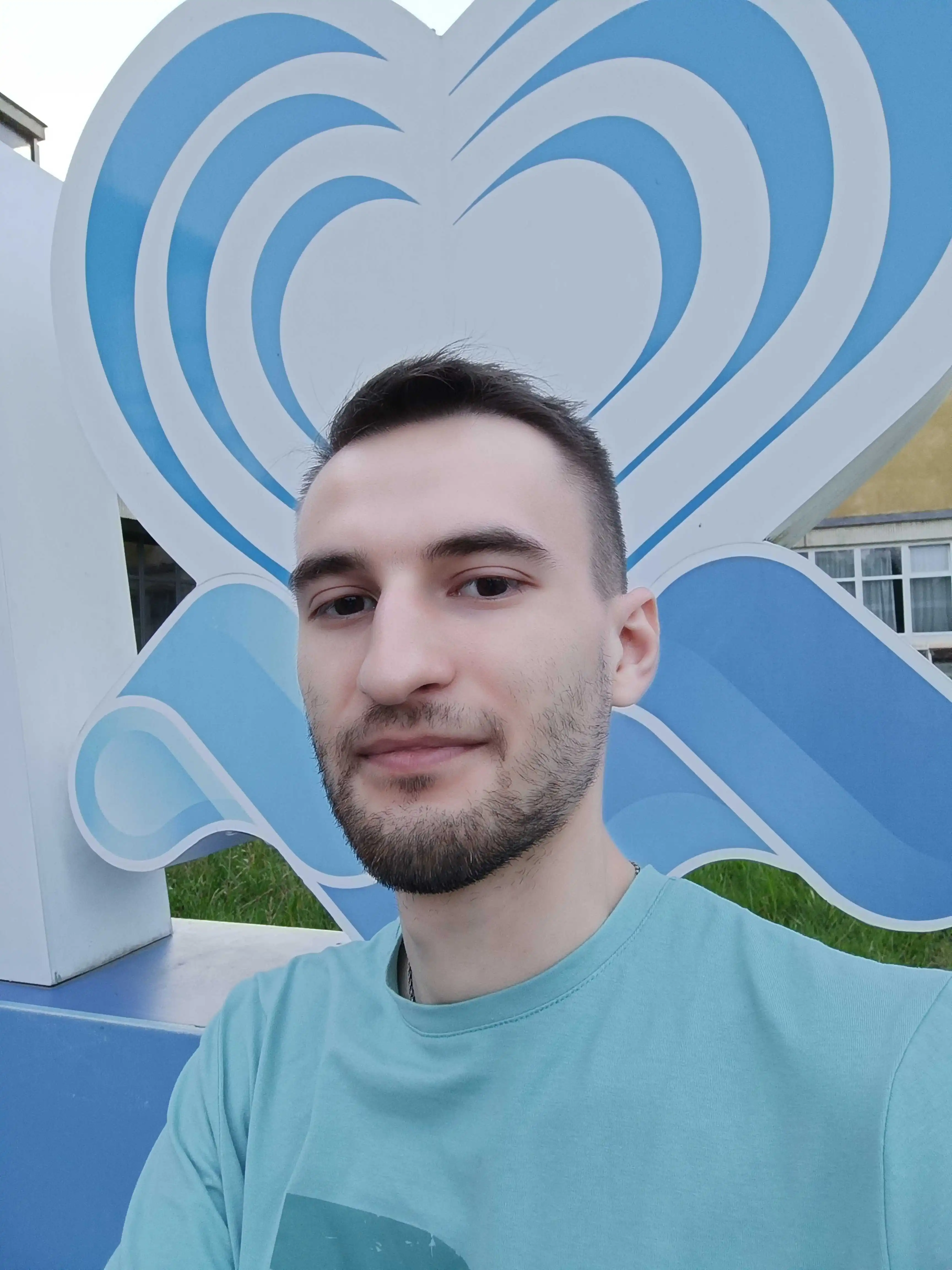
Alex Vasylchenko

Alex Vasylchenko

Founder & CEO, This Is Software

What we've learned

I never wanted to build an agency where founders disappear after the contract is signed.

That's why, at This Is Software, I stay personally involved throughout every engagement. I lead the technical direction, work closely with our engineers, and stay in direct contact with our clients, so important decisions happen quickly and without unnecessary layers.

We've chosen to stay intentionally small because it allows me to personally stand behind every project we deliver — not just the proposal or the kickoff, but the architecture, the execution, and the final result. Before founding the company, I spent nearly a decade building production systems, including work at a Swiss bank and a U.S. fintech startup.

That engineering mindset still shapes how I lead today: pragmatic decisions, honest communication, and software built to solve real business problems.

AI has fundamentally changed software development — but not in the way many people think.

Writing code is no longer the biggest bottleneck. Understanding the product, making good architectural decisions, and defining the right problems to solve have become far more valuable than producing another hundred lines of code.

AI is exceptional at accelerating implementation and helping teams validate ideas quickly. That's why building prototypes or internal tools has never been easier. But there's also a downside: many people now assume that if AI can generate code, it can build production software on its own. In reality, the cost of generating code has dropped dramatically, while the cost of fixing poorly thought-out systems months later has become even higher.

That's why I believe in an engineering-first approach to AI. We use it every day, and I expect AI to become as essential — and as invisible — as electricity. The competitive advantage won't come from simply using AI. It will come from knowing where to trust it, where to challenge it, and how to combine it with solid engineering judgment.


From the team

A few people from our team about topics they think often.

Andrii Bodnar

Andrii Bodnar

Full-Stack Engineer

What's the hardest thing about working remote?

Working remotely requires strong self-discipline. The real challenge is setting boundaries and habits that keep burnout at bay. Building that routine takes time, but once you master it, it builds deep confidence in your ability to manage your energy, stay productive, and own your workday completely. Ultimately, it transforms self-management into absolute trust in your own results.

You definitely miss the spontaneous small talk and coffee breaks you get in an office. Plus, it's easy for work to bleed into personal time when you work from home. Finding that balance takes practice, but once you hit your stride, it lets you stay sharp and deliver great work without sacrificing your personal life.

Oleksandr Rudenko

Oleksandr Rudenko

Full-Stack Engineer

What makes a technical specification or user story great?

A great user story is all about clarity. For me, the best tasks don't just say what to build, but also explain why it matters. When I understand the real problem behind a feature, I can build a much better solution and catch potential issues early.

It also needs clear rules for when a task is actually finished, along with explicit boundaries on what we are not doing. This prevents tasks from growing out of control and keeps the project moving fast.

Finally, a good spec gives enough detail like data rules or API needs to avoid wild guessing, but still leaves room for developers to figure out the cleverest way to code it.

Simply put, the best tasks aren't long or complex. They just eliminate guessing so we can focus on building solid software.

Join the team

Reach out. We believe in potential over experience.

send an application